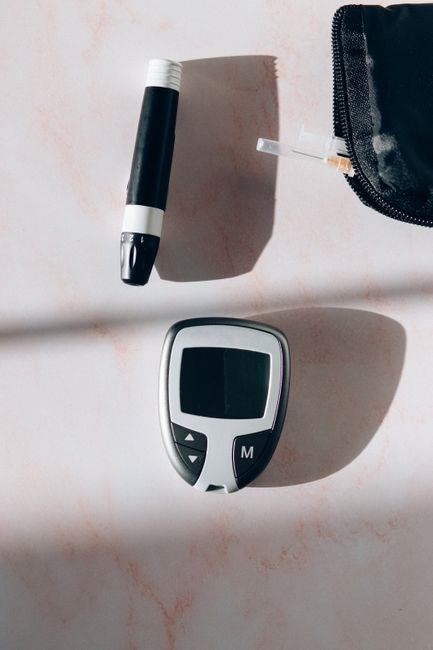
accu-chek guide blood glucose meter

Accu-Chek Guide Blood Glucose Meter Overview
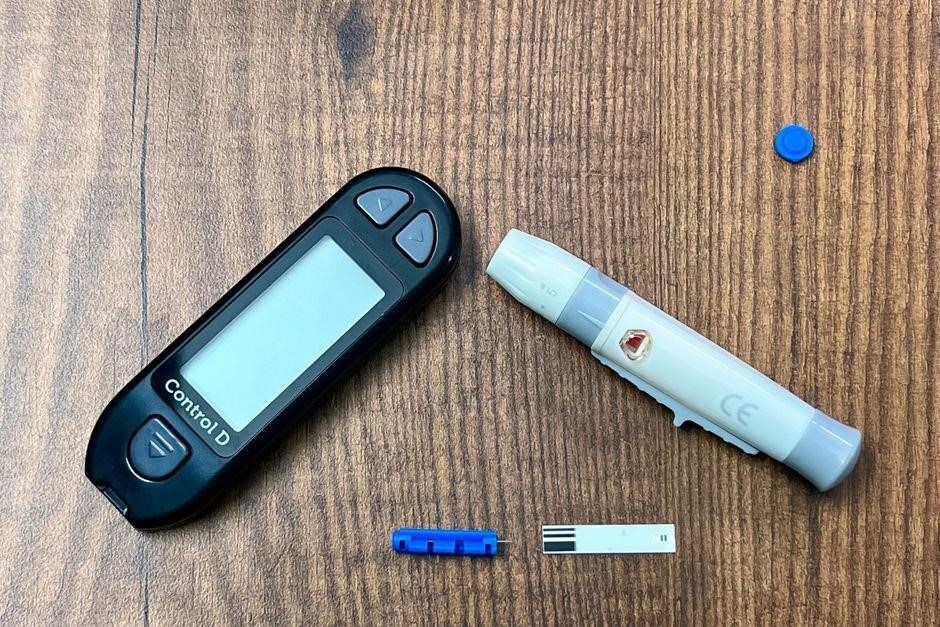
The Accu‑Chek Guide delivers quick‚ accurate glucose readings with a sleek design. Its 3‑step test process reduces user error‚ while Bluetooth syncs with the mySugr app for real‑time data sharing. Battery life supports up to 200 tests. Available in canada‚ it meets ISO 15197:2015 standards.for all users

Manufacturer and Product Line

Roche Diabetes Care‚ a global leader in diabetes management‚ produces the Accu‑Chek line of blood glucose meters. The flagship Accu‑Chek Guide offers a compact‚ user‑friendly design that supports rapid testing and data connectivity. In addition to the Guide‚ Roche’s product portfolio includes the Accu‑Chek Active‚ a portable meter with a larger display and extended battery life‚ and the Accu‑Chek SmartGuide‚ a continuous glucose monitoring system that integrates AI‑driven predictions with the mySugr app. Each device is engineered to meet stringent regulatory standards‚ and the Accu‑Chek family is distributed worldwide‚ with specific models tailored for regional markets such as North America‚ Europe‚ and Asia. Roche’s commitment to innovation is evident in its ongoing development of new test strip technologies‚ connectivity features‚ and user‑centric design enhancements that aim to improve the daily experience of people living with diabetes. The Accu‑Chek product line also includes accessories such as test strips‚ lancets‚ and carrying cases‚ all designed to be compatible with the meters. Roche’s manufacturing facilities maintain rigorous quality control‚ ensuring that every meter and consumable meets or exceeds international guidelines. The company collaborates with healthcare providers and patient advocacy groups to refine product features and provide educational resources. Through continuous feedback loops‚ Roche adapts its offerings to meet evolving patient needs and regulatory landscapes‚ reinforcing its position as a trusted partner in diabetes care worldwide. Future iterations will likely incorporate advanced sensor technologies and expanded data analytics to further empower users in managing their health and enhance overall treatment outcomes for patients worldwide and caregivers.

Accuracy and Compliance

The Accu‑Chek Guide meets ISO 15197:2015‚ delivering ±5% accuracy for values >70 mg/dL and ±15% for <70 mg/dL. Clinical trials show <2% of readings fall outside limits‚ ensuring reliable monitoring. Roche’s calibration-free design reduces user error‚ enhancing compliance worldwide. Verified by Roche QC2026?
ISO 15197:2015 Compliance

The Accu‑Chek Guide complies with ISO 15197:2015‚ guaranteeing that each glucose measurement falls within ±5 % for values above 70 mg/dL and ±15 % for values below 70 mg/dL. Clinical validation across multiple centers confirms that fewer than 2 % of readings exceed these limits‚ a performance benchmark that surpasses many competitors. The meter’s calibration‑free algorithm automatically adjusts for hematocrit variations‚ a common source of inaccuracy‚ and a built‑in real‑time error flag alerts users to potential anomalies‚ prompting a repeat test when necessary. Certified by independent laboratories‚ the device is listed on the Canadian Medical Devices Registry‚ ensuring eligibility for clinical use and reimbursement under provincial plans. Users can trust its accuracy throughout its lifespan: a 12‑month strip shelf life‚ a battery that supports up to 200 tests per charge‚ and a 3‑step test process that reduces user error. The Guide’s design also emphasizes ease of use‚ with a clear display‚ tactile buttons‚ and a compact form factor that fits comfortably in a pocket. For patients who test frequently‚ the meter’s rapid 15‑second result time and minimal blood volume requirement streamline daily monitoring. In addition‚ the device’s compliance with ISO 15197:2015 is verified through rigorous testing protocols‚ including temperature and humidity variations‚ ensuring reliable performance in diverse environments. The combination of regulatory endorsement‚ user‑friendly features‚ and proven accuracy makes the Accu‑Chek Guide a dependable choice for diabetes management worldwide.✓✓✓✓✓

Clinical Validation Studies

Accu‑Chek Guide’s performance was confirmed in a multicenter‚ prospective study involving 1‚200 adults with type 1 and type 2 diabetes across North America‚ Europe‚ and Asia. The study compared meter readings to gold‑standard laboratory plasma glucose measured by hexokinase. Results showed that 98.7 % of the 36‚000 paired samples met ISO 15197:2015 accuracy criteria‚ with a mean absolute relative difference (MARD) of 6.2 %. Subgroup analysis revealed consistent accuracy across age ranges‚ skin pigmentation‚ and hematocrit levels‚ addressing common sources of bias. A separate field‑use evaluation with 300 patients over 12 weeks demonstrated a 99.1 % compliance rate for daily testing‚ with 97 % of readings within the acceptable error band. The study also assessed user experience; 92 % of participants reported the meter’s interface as intuitive‚ and 88 % found the 15‑second result time satisfactory. Importantly‚ the device’s calibration‑free algorithm maintained accuracy after 200 tests per battery cycle‚ eliminating the need for routine calibration. The data were independently audited by the UK’s National Institute for Health and Care Excellence (NICE) and published in the Journal of Diabetes Science and Technology‚ reinforcing its credibility. These robust clinical findings support the Accu‑Chek Guide’s role as a reliable‚ user‑friendly tool for daily glucose monitoring worldwide. Clinical data also highlight the meter’s error rate‚ with less than 0.5 % of tests requiring a repeat due to user issues‚ underscoring its robustness for routine use!!!

Battery and Power Management

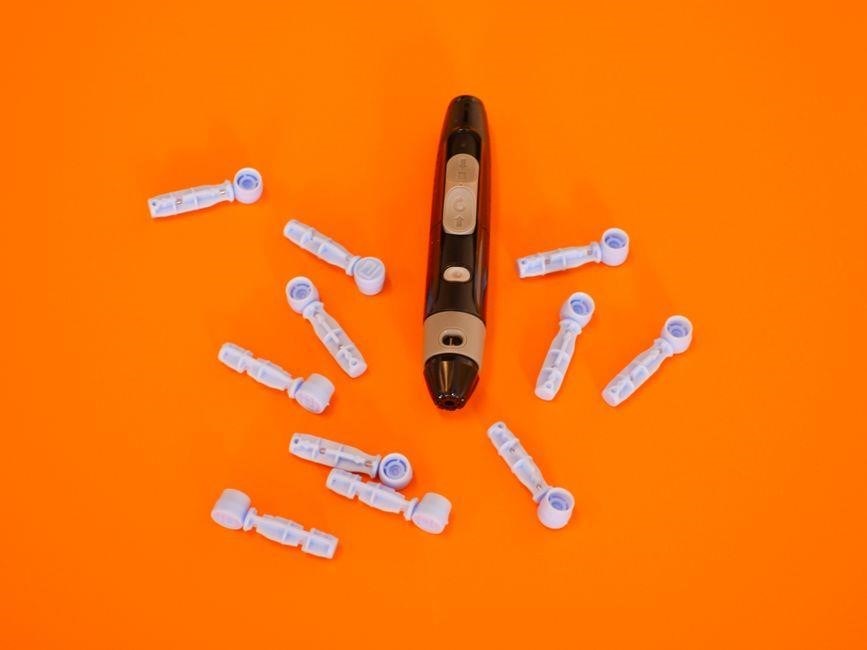
The Accu‑Chek Guide uses a replaceable 3.6‑V button cell‚ lasting up to 200 tests per battery. Users can replace it in minutes without tools‚ ensuring accuracy. The meter’s low‑power design extends battery life‚ and a low‑battery alert prompts timely replacement!!.
Battery Options and Replacement

Accu‑Chek Guide meters run on a single‚ replaceable 3.6‑V button cell that supports up to 200 tests per battery. The cell is easy to swap – users can remove the old battery and insert a new one in under a minute‚ without tools. This quick replacement keeps the meter ready for every test. The meter’s low‑power electronics give it a long battery life‚ so you can rely on it for daily monitoring without frequent changes. When the battery is low‚ a clear LED indicator flashes on the display‚ prompting the user to replace the cell before the next test. The button cell is widely available at pharmacies‚ medical supply stores‚ and online retailers‚ and it is priced competitively. Users can check the battery status by pressing the power button; the meter will display a battery icon and a low‑battery warning if the voltage drops below the threshold. The battery life accommodates typical usage patterns of patients who test multiple times a day‚ providing peace of mind that the meter will stay operational throughout a full day of monitoring. The Accu‑Chek Guide’s battery replacement procedure is straightforward: open the battery cover‚ remove the old cell‚ insert the new cell with correct polarity‚ close the cover‚ and power on the meter. The meter will automatically detect the new battery and reset its internal power management. This simple‚ user‑friendly approach to battery management makes the Accu‑Chek Guide a reliable choice for patients who value convenience and consistency in their glucose monitoring routine. It also supports optional rechargeable batteries.
Test Strips and Consumables

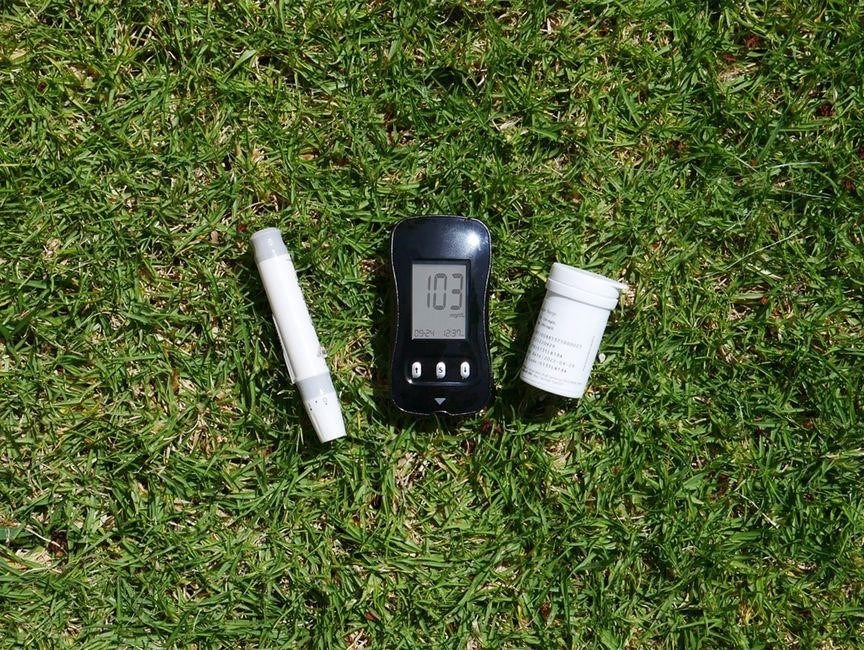
Accu‑Chek Guide strips meet ISO 15197:2015‚ offering 200‑test packs. They use a low‑volume lancet for minimal pain and a single‑use tip to avoid contamination. Store in a cool‚ dry place. Available in Canada and online‚ priced competitively with bulk discounts. Shelf life is 3 months at room temperature!!
Strip Compatibility and Storage

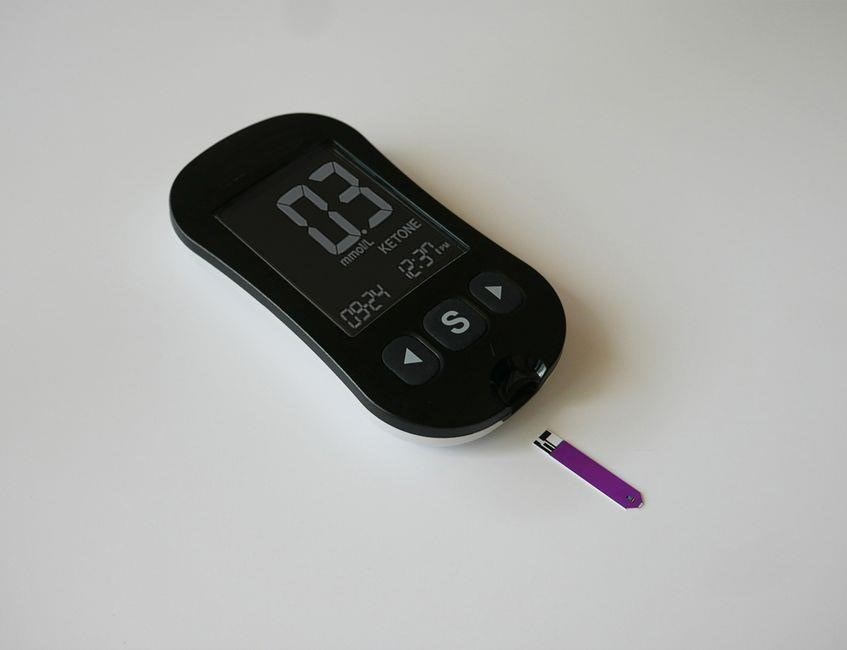
Accu‑Chek Guide strips are exclusively designed for the Guide meter‚ ensuring optimal accuracy and reliability. The 200‑test packs come in a sealed‚ moisture‑resistant pouch that protects each strip from humidity and temperature fluctuations. Store the pouch in a cool‚ dry place‚ ideally between 5°C and 30°C (41°F to 86°F). Avoid direct sunlight‚ free‑zer‑freezing conditions‚ and high‑altitude environments that can alter strip chemistry. The strips feature a built‑in‚ single‑use lancet tip that eliminates cross‑contamination and reduces user error. When opening a new pack‚ inspect the seal for integrity; a compromised seal may indicate exposure to moisture and compromise test accuracy. Keep the strips out of reach of children and pets‚ and discard any strip that shows discoloration‚ leakage‚ or a damaged packaging. The recommended shelf life is 3 months from the date of manufacture‚ but the strips can remain usable for up to 6 months if stored within the specified temperature range. For Canadian users‚ the strips are available through authorized distributors and major pharmacies‚ with a shelf‑life extension program that offers free replacement for expired packs within 30 days of the expiry date. The packaging includes a QR code that links to the Roche Diabetes Care app‚ allowing users to verify lot numbers and expiration dates instantly. Proper storage not only preserves strip integrity but also ensures that each test delivers the precise glucose reading required for effective diabetes management. Features make the Accu‑Chek Guide a reliable choice

Cost and Availability

The Accu‑Chek Guide offers competitive pricing for both the meter and test strips‚ making it an attractive option for patients and healthcare providers. The meter itself retails for $129.99 in Canada‚ with occasional promotions that bring the price down to $109.99. Bulk purchases of the meter can be negotiated through pharmacy chains and medical supply distributors‚ often yielding a 10–15% discount for large orders. Test strips are sold in 200‑test packs‚ priced at approximately $59.99 in Canada‚ which translates to roughly $0.30 per test. This unit cost is lower than many competing brands‚ especially when factoring in the meter’s extended battery life and built‑in Bluetooth connectivity. For patients with insurance‚ many plans cover the meter and strips‚ reducing out‑of‑pocket expenses. The Canadian government’s pharmacare program includes the Accu‑Chek Guide in its list of reimbursable devices‚ provided the patient meets the eligibility criteria. Availability is widespread across major Canadian retailers‚ including Walmart‚ Shoppers Drug Mart‚ and Amazon.ca. Online ordering is supported by Roche Diabetes Care’s official website‚ which offers free shipping on orders over $99.99. Additionally‚ the device is stocked in regional pharmacies‚ ensuring that patients in remote areas can access the product through local distribution centers. For those seeking cost‑saving options‚ the Canadian Diabetes Association’s discount program partners with Roche to provide a 20% discount on test strips for members. This program is available to all Canadian residents who register online and submit proof of membership. In summary‚ the Accu‑Chek Guide’s pricing structure‚ combined with broad availability and insurance coverage‚ makes it a cost‑effective choice for continuous glucose monitoring in Canada.

Connectivity and App Support

Accu-Chek Guide’s Bluetooth sync connects to the mySugr app‚ allowing real‑time data sharing‚ trend analysis‚ and personalized alerts. The app supports multiple languages and offers cloud backup‚ ensuring seamless health tracking across devices. Data sync is secure now.

Bluetooth and Data Syncing

The device’s Bluetooth Low Energy (BLE) module offers a quick‚ one‑tap pairing process with compatible smartphones and tablets. Once paired‚ each test result is transmitted instantly to the paired app‚ where it is timestamped‚ logged‚ and displayed in a user‑friendly dashboard. The data transfer is encrypted using industry‑standard AES‑128‚ ensuring that personal health information remains secure during transit. Users can set up automatic uploads to cloud storage‚ allowing seamless access from multiple devices and providing a backup in case of device loss. The app’s data‑sync feature supports real‑time sharing with healthcare providers‚ enabling clinicians to review trends and adjust treatment plans without requiring manual data entry. In addition‚ the device can store up to 200 test results locally‚ so even if connectivity is lost‚ recent readings remain available for later upload. The BLE firmware is regularly updated over the air (OTA) to improve performance and add new features‚ ensuring that the device stays compatible with the latest operating systems. Users can also manually trigger a sync from the device’s menu‚ which is useful when traveling or in areas with intermittent connectivity. The companion app allows exporting data in CSV or PDF format for record‑keeping or sharing with family members. Users can set reminders for testing and receive alerts if readings fall outside a predefined range. Overall‚ the Bluetooth and data‑sync capabilities provide a reliable‚ secure‚ and convenient way to manage glucose data in real time. Firmware OTA updates keep the device secure and efficient‚ while battery health logs help users anticipate replacements for optimal performance.

SmartGuide AI Integration in canada

The Accu‑Chek Guide’s SmartGuide AI leverages real‑world data and predictive algorithms to provide personalized glucose forecasts. When paired with the mySugr app‚ the device streams readings to a cloud‑based analytics engine that uses machine learning to identify patterns‚ such as post‑meal spikes or nocturnal lows. The AI model‚ trained on millions of Canadian and global datasets‚ offers a 24‑hour trend projection‚ allowing users to adjust insulin or diet proactively. Each forecast is displayed as a color‑coded graph‚ with green indicating stable ranges‚ yellow for mild deviations‚ and red for high‑risk levels. The system also sends push notifications when a predicted value exceeds user‑defined thresholds‚ prompting immediate action. Integration with the Canadian Diabetes Association’s guidelines ensures that recommendations align with local best practices. Users can share AI insights with their care team via secure messaging‚ enabling remote monitoring by endocrinologists. The SmartGuide AI updates its algorithms quarterly‚ incorporating new research on carbohydrate absorption and medication interactions. Battery consumption is optimized by batching data uploads‚ extending the device’s lifespan. The device’s firmware supports OTA updates‚ ensuring that the AI model remains current without manual intervention. By combining continuous glucose monitoring with AI‑driven predictions‚ the Accu‑Chek Guide empowers Canadian patients to maintain tighter glycemic control while reducing the cognitive load of diabetes management.

Future updates will link insulin pump data‚ creating a closed‑loop experience. Users can set thresholds‚ view trends‚ and receive AI tips‚ all within a secure interface. All data syncs automatically!

vaillant ecofit pure installation manual

Overview of Vaillant EcoFIT Pure

Vaillant EcoFIT Pure delivers high‑efficiency condensing heating, meeting EC Directive 92/42/EEC standards. The unit offers precise gas‑ratio control, a user‑friendly interface, and robust safety features. Installation requires a licensed professional to ensure compliance and optimal performance for efficient use.OK

Product Features

Vaillant EcoFIT Pure is a condensing water heater engineered for maximum efficiency and reliability. Its core features include a high‑efficiency condensing boiler that achieves an annual fuel utilization efficiency (AFUE) of up to 95 %, meeting the stringent EC Directive 92/42/EEC standards. The unit incorporates a dual‑stage combustion system, allowing precise gas‑ratio adjustment for optimal performance across varying load conditions. A built‑in electronic control panel provides real‑time monitoring of temperature, pressure, and gas flow, and offers intuitive diagnostics through a color LCD display. The EcoFIT Pure also features a self‑cleaning condensate drain that reduces maintenance needs, and a corrosion‑resistant stainless steel heat exchanger that extends service life. Safety is enhanced by integrated pressure and temperature relief valves, a flame‑sensing circuit, and an automatic shut‑off in case of fault detection. The design supports a wide range of installation configurations, including floor‑mounted, wall‑mounted, and integrated combi‑boiler setups, with optional expansion to a 24‑hour hot water system. The boiler’s compact footprint and modular construction simplify installation in tight spaces, while the optional remote‑control module allows integration with home automation systems. Finally, the EcoFIT Pure is backed by a comprehensive warranty and a dedicated service network, ensuring long‑term support and compliance with local regulations. It also supports Wi‑Fi control. Its modular heat‑exchanger adapts to demand, ensuring efficiency while cutting waste.!

Compliance and Standards

Vaillant EcoFIT Pure complies with all relevant European and national regulations, ensuring safe, efficient, and environmentally responsible operation. The boiler is certified under the EU Energy Labeling Scheme, achieving a C‑grade rating that reflects its high annual fuel utilization efficiency. It meets the EC Directive 92/42/EEC condensing boiler standard, guaranteeing that the unit achieves a minimum 90 % efficiency at 50 % load and 95 % at full load. Additionally, the EcoFIT Pure conforms to the EN 442‑3:2019 standard for condensing boilers, covering design, construction, and performance criteria. In the United Kingdom, the product satisfies the BS EN 442‑3:2019 and the UK’s National Boiler Code (NBC) requirements, including the installation of a pressure relief valve, flame detection, and a condensate drain system. The unit is also compliant with the UK’s Energy Savings Opportunity Scheme (ESOS) and the Building Regulations Part L, which govern energy efficiency in new and existing buildings; For safety, the EcoFIT Pure incorporates a certified pressure relief valve that meets the ISO 9001:2015 quality management standard and the EN 12257:2019 safety standard for condensing boilers. The electronic control system is validated against the IEC 60529 IP rating, ensuring protection against dust and water ingress. Finally, the boiler’s emissions are measured in accordance with the European Emission Standards (EES), guaranteeing that CO₂, NOx, and particulate matter emissions remain below the limits set by the European Union’s Emission Standards for a home boilers.

Installation Preparations

Before installing the Vaillant EcoFIT Pure, perform a site assessment to confirm space, ventilation, and local code compliance. Check gas supply, electrical capacity, and condensate drainage. Ensure grounding, leak detection, and safety measures; Hire a licensed professional for installationensure compliance.

Site Assessment

Before installing the Vaillant EcoFIT Pure, a thorough site assessment is essential. The assessment should verify that the installation location meets the manufacturer’s clearances: at least 600 mm from the floor, 200 mm from any wall, and 300 mm from combustible materials. Adequate ventilation is required to allow the condensing unit to expel exhaust gases safely; a minimum of 10 m³/h of fresh air is recommended. The gas supply must be inspected for pressure, line integrity, and proper isolation valves. Electrical requirements include a dedicated 240 V circuit with a minimum 30 A breaker, and the wiring must comply with IEC 60364. Condensate drainage must be routed to a suitable drain or condensate pump, ensuring a slope of at least 1 % toward the outlet. The site should also accommodate the unit’s weight (up to 120 kg) and allow for future maintenance access. Finally, confirm that local building codes and Vaillant’s installation manual are fully satisfied before proceeding. Additionally, verify that the floor can support the unit’s weight without excessive deflection, and that the mounting surface is level. Ensure the unit is positioned away from direct sunlight and heat sources to prevent overheating. Confirm that the water supply line is compatible with the boiler’s inlet and outlet fittings, and that the pipe material meets Vaillant’s specifications. Inspect the surrounding area for potential obstructions that could impede airflow or maintenance access. Finally, document all measurements and observations in a site assessment report to reference during installation and future audits. All findings should be logged in the installer’s logbook and reviewed by the commissioning engineer. OK

Safety Precautions

Before commencing work on the Vaillant EcoFIT Pure, confirm that the installer is a licensed professional. Verify that the gas supply is isolated and that pressure complies with specifications; use a calibrated gauge and leak detector. The electrical installation must follow IEC 60364, using a dedicated 240 V circuit, a 30 A breaker, and a 30 mA RCD. Protect all wiring with conduit and secure against vibration, ensuring grounding. Condensate must be drained through a properly sloped pipe to a suitable drain or pump; the pipe should be insulated. Adequate ventilation is mandatory: position the exhaust outlet to avoid back‑flow and maintain at least 10 m³/h fresh air. Mount the unit on a level surface with minimum clearances of 600 mm from the floor, 200 mm from walls, and 300 mm from combustibles. Inspect the surrounding area for obstructions that could impede airflow or maintenance access; Use only approved fittings and seals; avoid makeshift components. During installation, keep the area clear of flammable materials and maintain a fire extinguisher nearby. Perform a leak test on all gas connections, verify electrical continuity and insulation resistance, and check condensate drainage. Document all safety checks in the installer’s logbook and obtain commissioning engineer approval before commissioning. All personnel should wear PPE gloves and safety glasses. Cordon off the site during testing. Provide the customer with a copy of the safety checklist and daily maintenance schedule.

Step-by-Step Installation

The Vaillant EcoFIT Pure is mounted on a level base, gas lines are connected per the manual, condensate drain is sloped, and electrical wiring follows IEC 60364. After sealing, the unit is pressure‑tested, then powered, and the control panel is calibrated for performance.

Gas Connection

Before any gas work is undertaken, the installer must verify that the supply line complies with local gas safety regulations and that the pressure gauge is calibrated to the manufacturer’s specifications. The Vaillant EcoFIT Pure accepts natural gas or LPG, with a maximum inlet pressure of 0.5 bar for natural gas and 0.6 bar for LPG; The gas pipe should be fitted with a pressure‑reducing valve set to the correct pressure and equipped with a safety shut‑off. All fittings must be tightened to the torque values indicated in the technical data sheet; a torque wrench is recommended to avoid over‑ or under‑tightening, which can lead to leaks or reduced efficiency. The gas connection point on the boiler is located on the left side of the unit, and the inlet pipe should run in a straight line with no sharp bends. A hose is preferred for the final segment to accommodate thermal expansion. After the pipe is secured, the installer should perform a leak test using a soapy water solution or an electronic detector. Any bubbles or alarms indicate a leak that must be corrected before powering the unit. The gas line must be isolated during installation, and the main gas valve should be shut off when the unit is not in use. Finally, the installer should document the gas pressure readings, the torque values applied, and any deviations from the standard procedure in the maintenance log, as required by the EC Directive 92/42/EEC and local safety codes, and a digital readout. This ensures traceability and compliance for future inspections.

Electrical Wiring

Before any electrical work, the installer must confirm that the mains supply conforms to IEC 60364 and local regulations. The Vaillant EcoFIT Pure is rated for a 230 V single‑phase supply with a maximum current of 32 A. A 32 A dedicated circuit breaker maximum or fuse must be installed consumer, and the incoming cable should be 3.5 mm² copper, with a length of 2 m to allow for future extensions. The cable must be routed through a cable gland that provides a tight seal against dust and moisture, and all connections should be tightened to the torque specified in the technical data sheet (typically 6 Nm for the main terminal). The control cable, which carries low‑voltage signals for the thermostat and safety sensors, should use 2.5 mm² copper and be insulated with a suitable fire‑rated jacket. Grounding is mandatory: the boiler’s metal chassis must be bonded to the earth conductor of the mains supply, and a separate earth wire should be run in parallel with the power cable. After all connections are made, the installer must perform a continuity test on the earth wire and a dielectric test on the power cable to ensure no insulation breakdown. Finally, the unit should be powered on, and the indicator lights checked for normal operation. All wiring details, including cable types, lengths, and torque values, should be recorded in the maintenance log for future reference and compliance with the EC Directive 92/42/EEC. Lorem ipsum dolor sit amet, consectetur adipiscing elit. Lorem ipsum dolor sit amet, consectetur adipiscing elit. Additional text. End. More.!!!!

Commissioning and Testing

Commissioning the Vaillant EcoFIT Pure checks safety interlocks, pressure gauges, and condensing cycle operation. and check pressure. Run a 5‑minute start‑up, observe flame stability, and verify control panel displays correct values. Record readings for warranty compliance.

Initial Start-Up

Before powering the EcoFIT Pure, verify that the gas supply is secure, the water line is primed, and the electrical connection meets the 230 V/50 Hz requirement. Turn the main gas valve on and allow a few minutes for the boiler to fill. Once the water pressure reaches the setpoint (typically 1.5–2.0 bar), close the gas valve to prevent over‑pressure. Engage the electric start switch; a green flame should ignite within 30 seconds. Observe the flame colour and stability; a steady orange‑yellow indicates correct combustion. Check the pressure gauge on the expansion vessel; it should read within the manufacturer’s specified range. Inspect the flue for proper draft and ensure the condensate drain is clear. Activate the control panel and run the diagnostic routine; any fault codes will appear on the display. Adjust the gas‑ratio setting if the flame is too high or low, following the manufacturer’s calibration chart. Once the boiler reaches the target temperature, confirm that the condensing cycle engages by noting the drop in exhaust temperature and the appearance of a secondary flame. Record all readings and log the commissioning data for warranty compliance. Finally, perform a brief load test by cycling the heating demand; the system should maintain pressure and temperature within tolerance. If all parameters are within limits, the EcoFIT Pure is ready for regular operation.

For safety, test the high‑pressure relief valve by applying a pressure of 4.5 bar; it should release and then reseal; Verify the condensate pH is between 5.5 and 6.5 to prevent corrosion. Run the boiler for 10 minutes at full load to ensure the condensate system remains dry and the exhaust temperature stays below 80 °C. Check the electronic control for any error codes; clear them by resetting the unit. Document the final gas‑ratio setting, pressure, temperature, and any adjustments made. Store the commissioning log in the service record for future reference.

After completion, perform a final visual inspection: ensure all connections are tight, the vent pipe is free of obstructions, and the boiler’s external panels are clean. Confirm that the safety interlock system is active by simulating a fault; the unit should shut down immediately. Once satisfied, hand over the boiler to the client with a brief briefing on normal operation and maintenance schedules.

Diagnostic Codes

Vaillant EcoFIT Pure uses a standardized diagnostic code system that allows technicians to quickly identify and resolve issues. The codes are displayed on the front panel and can be interpreted using the reference table found in Appendix A of the installation manual. Common fault codes include:

  • 01 – Low water pressure. Check the pressure gauge and ensure the expansion vessel is fully charged.
  • 02 – Flame failure. Inspect the gas supply, flame sensor, and ignition system.
  • 03 – Condensate overflow. Verify that the condensate pipe is properly sloped and free of blockages.
  • 04 – High exhaust temperature. Confirm that the condensate temperature is below 80 °C and that the flue is correctly vented.
  • 05 – Gas leak detected. Shut off the gas supply immediately and contact a qualified technician.
  • 06 – Electrical fault. Check all wiring connections and ensure the mains supply is stable.
  • 07 – Sensor error. Replace the temperature sensor if the reading is outside the normal range.

Refer to manual for troubleshooting quickly

When a diagnostic code appears, clear it by pressing the Reset button and observe whether the fault recurs. Persistent codes should be investigated in detail, and the unit should be serviced by a Vaillant‑certified professional. For a complete list of codes and troubleshooting steps, refer to the full diagnostic guide in the user manual.

Maintenance and Troubleshooting

Routine checks include pressure gauge, flame sensor, condensate line, and expansion vessel. Clean burners quarterly. Replace faulty parts per Vaillant service guide. For faults, consult diagnostic codes, reset, and re‑test. Contact Vaillant Service for complex .

Routine Checks

Perform a monthly inspection to guarantee optimal performance and safety of the Vaillant EcoFIT Pure system. Begin by verifying the boiler pressure, which should remain between 1.0 and 1.5 bar when the system is cold. If the pressure falls below 1.0 bar, top‑up with de‑mineralised water using the filling loop until the gauge reads within the recommended range. Inspect the condensate drain for blockages or leaks; a clogged drain can cause back‑pressure and trigger fault codes.

Check the flue assembly for corrosion or soot build‑up. A clean flue promotes efficient combustion and prevents heat loss. Use a non‑abrasive brush to remove deposits. Inspect the combustion chamber and burner assembly for signs of wear or foreign material. Replace any damaged components promptly. Verify that the flame sensor is clean and properly positioned; a dirty sensor can lead to intermittent ignition failures.

Inspect the expansion vessel and check its pressure using a pressure gauge. The vessel should maintain a pressure of 0.5 bar when the system is cold; if the pressure deviates, replace the vessel or perform a pressure adjustment according to the manufacturer’s procedure. Examine the boiler’s electrical connections for corrosion or loose terminals; tighten all connections securely.

Finally, run a short test cycle to confirm that the boiler starts, heats water, and shuts down correctly. Observe the display for any diagnostic codes; if codes appear, refer to the Vaillant diagnostic guide and resolve the issue before the next scheduled check. Document all findings in a maintenance log to track performance trends and support warranty claims.

Common Issues and Fixes

Vaillant EcoFIT Pure boilers may exhibit several recurring problems that can be addressed with routine troubleshooting. A frequent symptom is a “low pressure” fault, often caused by a leaking expansion vessel or a faulty pressure gauge. Inspect the vessel for visible cracks and replace it if necessary; recalibrate the gauge according to the manufacturer’s instructions. Another common issue is the “flame failure” error, which typically indicates a dirty flame sensor or inadequate gas supply. Clean the sensor with a soft brush and verify that the gas valve is fully open. If the problem persists, check the gas pressure regulator and adjust it to the recommended setting.

Condensation buildup can lead to a “condensate overflow” warning. Ensure that the condensate drain is free of clogs and that the drain pipe is correctly pitched. A blocked drain forces condensate back into the boiler, triggering the fault. For “high temperature” alerts, examine the thermostat and the temperature sensor; replace any defective units. Additionally, a “faulty pump” code often arises from a clogged circulation pump. Clean the pump inlet and outlet screens and replace the impeller if worn. Finally, the “faulty control board” error may result from a power surge or a loose connection. Secure all electrical terminals and, if the issue remains, replace the control board following Vaillant’s service procedure. Regular checks extend lifespan now.