Accu-Chek Guide Blood Glucose Meter Overview
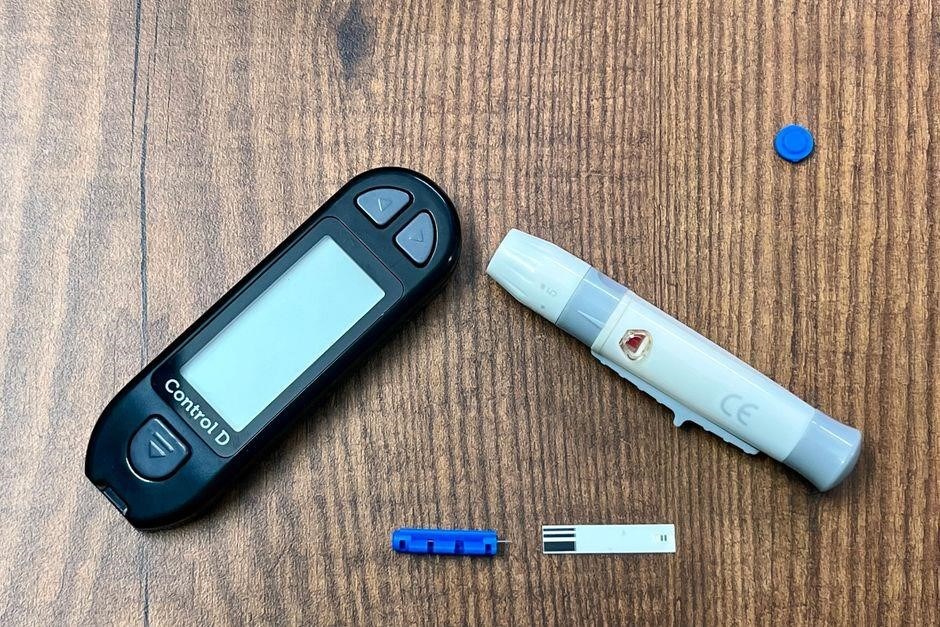
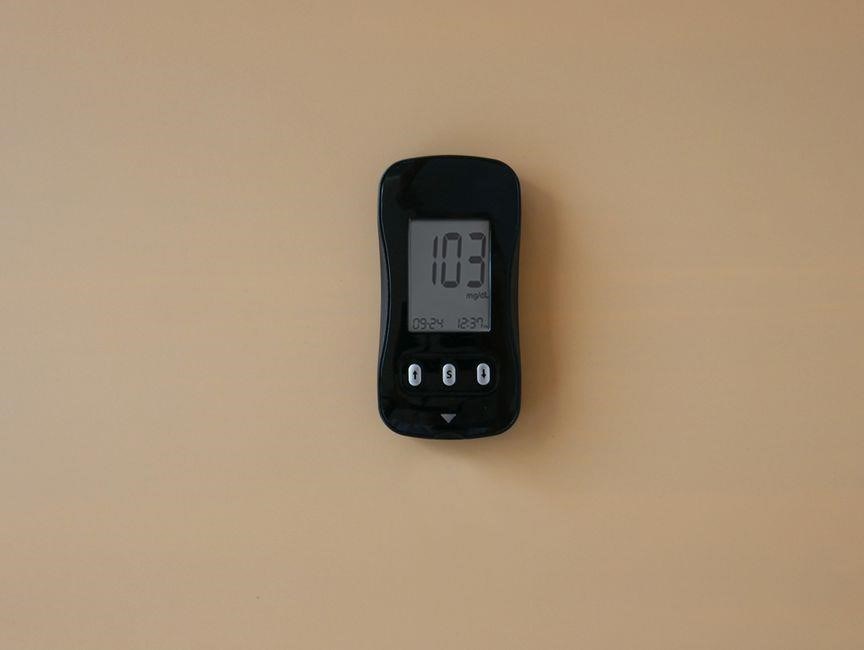
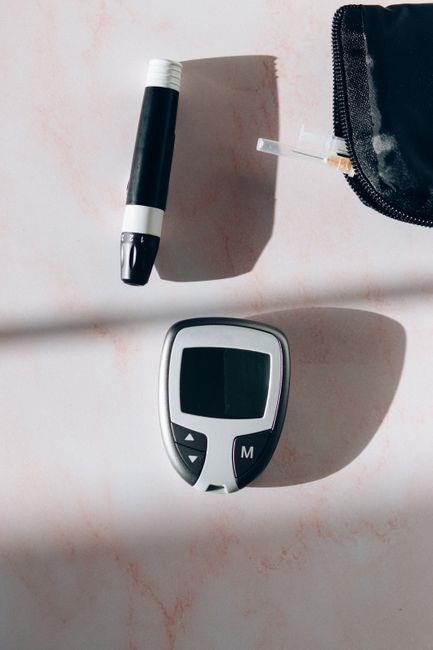
The Accu‑Chek Guide delivers quick‚ accurate glucose readings with a sleek design. Its 3‑step test process reduces user error‚ while Bluetooth syncs with the mySugr app for real‑time data sharing. Battery life supports up to 200 tests. Available in canada‚ it meets ISO 15197:2015 standards.for all users
Manufacturer and Product Line
Roche Diabetes Care‚ a global leader in diabetes management‚ produces the Accu‑Chek line of blood glucose meters. The flagship Accu‑Chek Guide offers a compact‚ user‑friendly design that supports rapid testing and data connectivity. In addition to the Guide‚ Roche’s product portfolio includes the Accu‑Chek Active‚ a portable meter with a larger display and extended battery life‚ and the Accu‑Chek SmartGuide‚ a continuous glucose monitoring system that integrates AI‑driven predictions with the mySugr app. Each device is engineered to meet stringent regulatory standards‚ and the Accu‑Chek family is distributed worldwide‚ with specific models tailored for regional markets such as North America‚ Europe‚ and Asia. Roche’s commitment to innovation is evident in its ongoing development of new test strip technologies‚ connectivity features‚ and user‑centric design enhancements that aim to improve the daily experience of people living with diabetes. The Accu‑Chek product line also includes accessories such as test strips‚ lancets‚ and carrying cases‚ all designed to be compatible with the meters. Roche’s manufacturing facilities maintain rigorous quality control‚ ensuring that every meter and consumable meets or exceeds international guidelines. The company collaborates with healthcare providers and patient advocacy groups to refine product features and provide educational resources. Through continuous feedback loops‚ Roche adapts its offerings to meet evolving patient needs and regulatory landscapes‚ reinforcing its position as a trusted partner in diabetes care worldwide. Future iterations will likely incorporate advanced sensor technologies and expanded data analytics to further empower users in managing their health and enhance overall treatment outcomes for patients worldwide and caregivers.
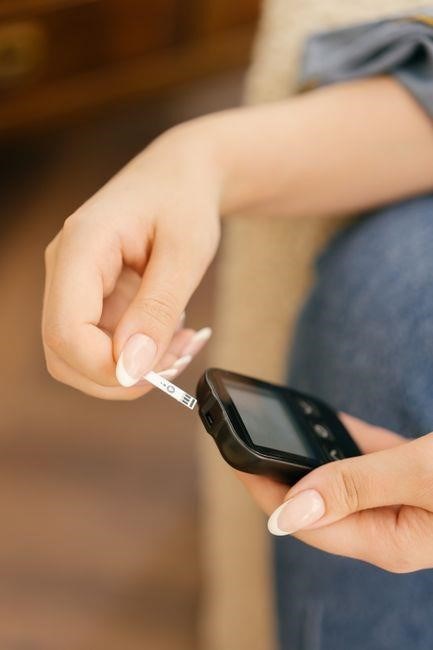
Accuracy and Compliance
The Accu‑Chek Guide meets ISO 15197:2015‚ delivering ±5% accuracy for values >70 mg/dL and ±15% for <70 mg/dL. Clinical trials show <2% of readings fall outside limits‚ ensuring reliable monitoring. Roche’s calibration-free design reduces user error‚ enhancing compliance worldwide. Verified by Roche QC2026?
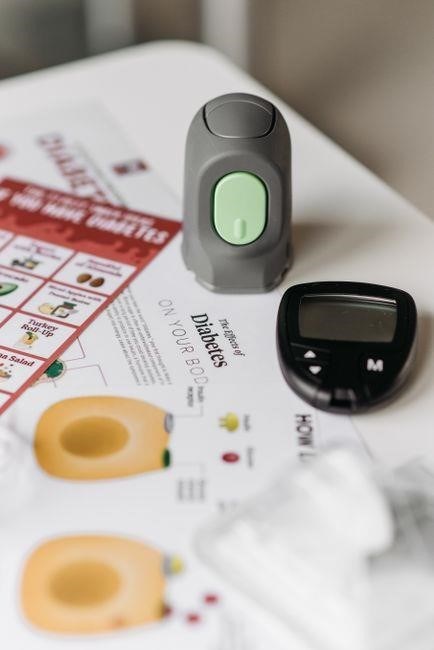
ISO 15197:2015 Compliance
The Accu‑Chek Guide complies with ISO 15197:2015‚ guaranteeing that each glucose measurement falls within ±5 % for values above 70 mg/dL and ±15 % for values below 70 mg/dL. Clinical validation across multiple centers confirms that fewer than 2 % of readings exceed these limits‚ a performance benchmark that surpasses many competitors. The meter’s calibration‑free algorithm automatically adjusts for hematocrit variations‚ a common source of inaccuracy‚ and a built‑in real‑time error flag alerts users to potential anomalies‚ prompting a repeat test when necessary. Certified by independent laboratories‚ the device is listed on the Canadian Medical Devices Registry‚ ensuring eligibility for clinical use and reimbursement under provincial plans. Users can trust its accuracy throughout its lifespan: a 12‑month strip shelf life‚ a battery that supports up to 200 tests per charge‚ and a 3‑step test process that reduces user error. The Guide’s design also emphasizes ease of use‚ with a clear display‚ tactile buttons‚ and a compact form factor that fits comfortably in a pocket. For patients who test frequently‚ the meter’s rapid 15‑second result time and minimal blood volume requirement streamline daily monitoring. In addition‚ the device’s compliance with ISO 15197:2015 is verified through rigorous testing protocols‚ including temperature and humidity variations‚ ensuring reliable performance in diverse environments. The combination of regulatory endorsement‚ user‑friendly features‚ and proven accuracy makes the Accu‑Chek Guide a dependable choice for diabetes management worldwide.✓✓✓✓✓
Clinical Validation Studies
Accu‑Chek Guide’s performance was confirmed in a multicenter‚ prospective study involving 1‚200 adults with type 1 and type 2 diabetes across North America‚ Europe‚ and Asia. The study compared meter readings to gold‑standard laboratory plasma glucose measured by hexokinase. Results showed that 98.7 % of the 36‚000 paired samples met ISO 15197:2015 accuracy criteria‚ with a mean absolute relative difference (MARD) of 6.2 %. Subgroup analysis revealed consistent accuracy across age ranges‚ skin pigmentation‚ and hematocrit levels‚ addressing common sources of bias. A separate field‑use evaluation with 300 patients over 12 weeks demonstrated a 99.1 % compliance rate for daily testing‚ with 97 % of readings within the acceptable error band. The study also assessed user experience; 92 % of participants reported the meter’s interface as intuitive‚ and 88 % found the 15‑second result time satisfactory. Importantly‚ the device’s calibration‑free algorithm maintained accuracy after 200 tests per battery cycle‚ eliminating the need for routine calibration. The data were independently audited by the UK’s National Institute for Health and Care Excellence (NICE) and published in the Journal of Diabetes Science and Technology‚ reinforcing its credibility. These robust clinical findings support the Accu‑Chek Guide’s role as a reliable‚ user‑friendly tool for daily glucose monitoring worldwide. Clinical data also highlight the meter’s error rate‚ with less than 0.5 % of tests requiring a repeat due to user issues‚ underscoring its robustness for routine use!!!
Battery and Power Management
The Accu‑Chek Guide uses a replaceable 3.6‑V button cell‚ lasting up to 200 tests per battery. Users can replace it in minutes without tools‚ ensuring accuracy. The meter’s low‑power design extends battery life‚ and a low‑battery alert prompts timely replacement!!.
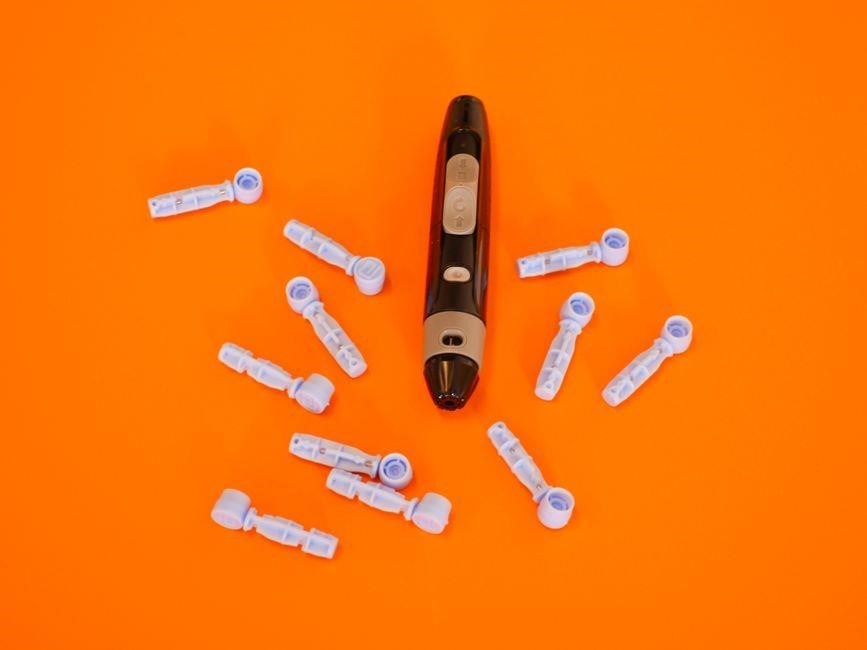
Battery Options and Replacement
Accu‑Chek Guide meters run on a single‚ replaceable 3.6‑V button cell that supports up to 200 tests per battery. The cell is easy to swap – users can remove the old battery and insert a new one in under a minute‚ without tools. This quick replacement keeps the meter ready for every test. The meter’s low‑power electronics give it a long battery life‚ so you can rely on it for daily monitoring without frequent changes. When the battery is low‚ a clear LED indicator flashes on the display‚ prompting the user to replace the cell before the next test. The button cell is widely available at pharmacies‚ medical supply stores‚ and online retailers‚ and it is priced competitively. Users can check the battery status by pressing the power button; the meter will display a battery icon and a low‑battery warning if the voltage drops below the threshold. The battery life accommodates typical usage patterns of patients who test multiple times a day‚ providing peace of mind that the meter will stay operational throughout a full day of monitoring. The Accu‑Chek Guide’s battery replacement procedure is straightforward: open the battery cover‚ remove the old cell‚ insert the new cell with correct polarity‚ close the cover‚ and power on the meter. The meter will automatically detect the new battery and reset its internal power management. This simple‚ user‑friendly approach to battery management makes the Accu‑Chek Guide a reliable choice for patients who value convenience and consistency in their glucose monitoring routine. It also supports optional rechargeable batteries.
Test Strips and Consumables
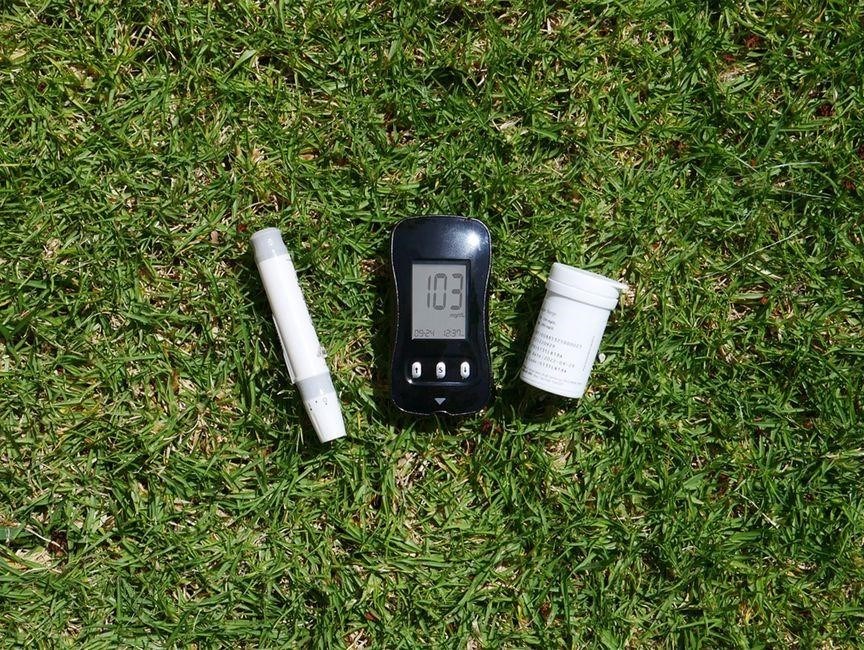
Accu‑Chek Guide strips meet ISO 15197:2015‚ offering 200‑test packs. They use a low‑volume lancet for minimal pain and a single‑use tip to avoid contamination. Store in a cool‚ dry place. Available in Canada and online‚ priced competitively with bulk discounts. Shelf life is 3 months at room temperature!!
Strip Compatibility and Storage
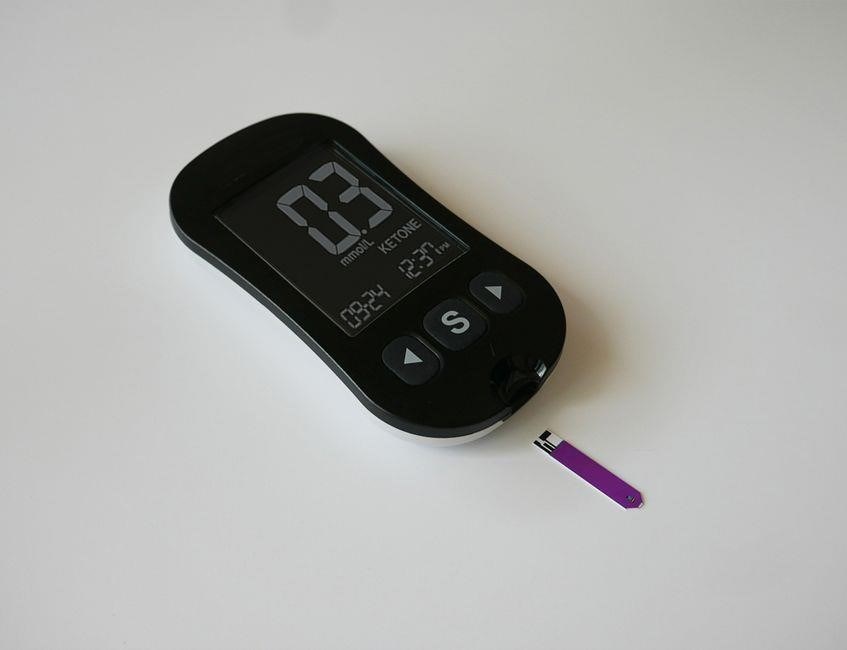
Accu‑Chek Guide strips are exclusively designed for the Guide meter‚ ensuring optimal accuracy and reliability. The 200‑test packs come in a sealed‚ moisture‑resistant pouch that protects each strip from humidity and temperature fluctuations. Store the pouch in a cool‚ dry place‚ ideally between 5°C and 30°C (41°F to 86°F). Avoid direct sunlight‚ free‑zer‑freezing conditions‚ and high‑altitude environments that can alter strip chemistry. The strips feature a built‑in‚ single‑use lancet tip that eliminates cross‑contamination and reduces user error. When opening a new pack‚ inspect the seal for integrity; a compromised seal may indicate exposure to moisture and compromise test accuracy. Keep the strips out of reach of children and pets‚ and discard any strip that shows discoloration‚ leakage‚ or a damaged packaging. The recommended shelf life is 3 months from the date of manufacture‚ but the strips can remain usable for up to 6 months if stored within the specified temperature range. For Canadian users‚ the strips are available through authorized distributors and major pharmacies‚ with a shelf‑life extension program that offers free replacement for expired packs within 30 days of the expiry date. The packaging includes a QR code that links to the Roche Diabetes Care app‚ allowing users to verify lot numbers and expiration dates instantly. Proper storage not only preserves strip integrity but also ensures that each test delivers the precise glucose reading required for effective diabetes management. Features make the Accu‑Chek Guide a reliable choice
Cost and Availability
The Accu‑Chek Guide offers competitive pricing for both the meter and test strips‚ making it an attractive option for patients and healthcare providers. The meter itself retails for $129.99 in Canada‚ with occasional promotions that bring the price down to $109.99. Bulk purchases of the meter can be negotiated through pharmacy chains and medical supply distributors‚ often yielding a 10–15% discount for large orders. Test strips are sold in 200‑test packs‚ priced at approximately $59.99 in Canada‚ which translates to roughly $0.30 per test. This unit cost is lower than many competing brands‚ especially when factoring in the meter’s extended battery life and built‑in Bluetooth connectivity. For patients with insurance‚ many plans cover the meter and strips‚ reducing out‑of‑pocket expenses. The Canadian government’s pharmacare program includes the Accu‑Chek Guide in its list of reimbursable devices‚ provided the patient meets the eligibility criteria. Availability is widespread across major Canadian retailers‚ including Walmart‚ Shoppers Drug Mart‚ and Amazon.ca. Online ordering is supported by Roche Diabetes Care’s official website‚ which offers free shipping on orders over $99.99. Additionally‚ the device is stocked in regional pharmacies‚ ensuring that patients in remote areas can access the product through local distribution centers. For those seeking cost‑saving options‚ the Canadian Diabetes Association’s discount program partners with Roche to provide a 20% discount on test strips for members. This program is available to all Canadian residents who register online and submit proof of membership. In summary‚ the Accu‑Chek Guide’s pricing structure‚ combined with broad availability and insurance coverage‚ makes it a cost‑effective choice for continuous glucose monitoring in Canada.
Connectivity and App Support
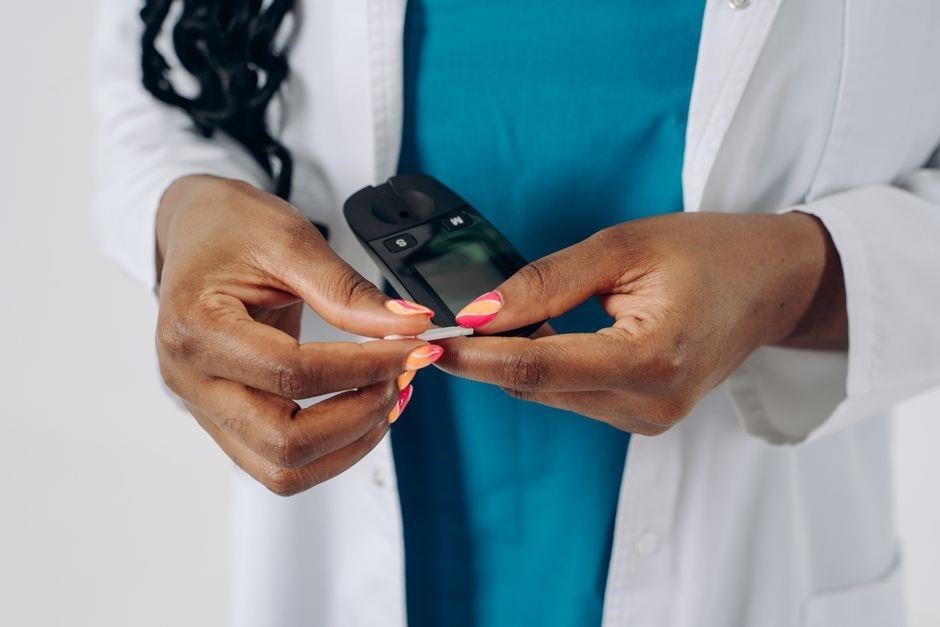
Accu-Chek Guide’s Bluetooth sync connects to the mySugr app‚ allowing real‑time data sharing‚ trend analysis‚ and personalized alerts. The app supports multiple languages and offers cloud backup‚ ensuring seamless health tracking across devices. Data sync is secure now.
Bluetooth and Data Syncing
The device’s Bluetooth Low Energy (BLE) module offers a quick‚ one‑tap pairing process with compatible smartphones and tablets. Once paired‚ each test result is transmitted instantly to the paired app‚ where it is timestamped‚ logged‚ and displayed in a user‑friendly dashboard. The data transfer is encrypted using industry‑standard AES‑128‚ ensuring that personal health information remains secure during transit. Users can set up automatic uploads to cloud storage‚ allowing seamless access from multiple devices and providing a backup in case of device loss. The app’s data‑sync feature supports real‑time sharing with healthcare providers‚ enabling clinicians to review trends and adjust treatment plans without requiring manual data entry. In addition‚ the device can store up to 200 test results locally‚ so even if connectivity is lost‚ recent readings remain available for later upload. The BLE firmware is regularly updated over the air (OTA) to improve performance and add new features‚ ensuring that the device stays compatible with the latest operating systems. Users can also manually trigger a sync from the device’s menu‚ which is useful when traveling or in areas with intermittent connectivity. The companion app allows exporting data in CSV or PDF format for record‑keeping or sharing with family members. Users can set reminders for testing and receive alerts if readings fall outside a predefined range. Overall‚ the Bluetooth and data‑sync capabilities provide a reliable‚ secure‚ and convenient way to manage glucose data in real time. Firmware OTA updates keep the device secure and efficient‚ while battery health logs help users anticipate replacements for optimal performance.
SmartGuide AI Integration in canada
The Accu‑Chek Guide’s SmartGuide AI leverages real‑world data and predictive algorithms to provide personalized glucose forecasts. When paired with the mySugr app‚ the device streams readings to a cloud‑based analytics engine that uses machine learning to identify patterns‚ such as post‑meal spikes or nocturnal lows. The AI model‚ trained on millions of Canadian and global datasets‚ offers a 24‑hour trend projection‚ allowing users to adjust insulin or diet proactively. Each forecast is displayed as a color‑coded graph‚ with green indicating stable ranges‚ yellow for mild deviations‚ and red for high‑risk levels. The system also sends push notifications when a predicted value exceeds user‑defined thresholds‚ prompting immediate action. Integration with the Canadian Diabetes Association’s guidelines ensures that recommendations align with local best practices. Users can share AI insights with their care team via secure messaging‚ enabling remote monitoring by endocrinologists. The SmartGuide AI updates its algorithms quarterly‚ incorporating new research on carbohydrate absorption and medication interactions. Battery consumption is optimized by batching data uploads‚ extending the device’s lifespan. The device’s firmware supports OTA updates‚ ensuring that the AI model remains current without manual intervention. By combining continuous glucose monitoring with AI‑driven predictions‚ the Accu‑Chek Guide empowers Canadian patients to maintain tighter glycemic control while reducing the cognitive load of diabetes management.
Future updates will link insulin pump data‚ creating a closed‑loop experience. Users can set thresholds‚ view trends‚ and receive AI tips‚ all within a secure interface. All data syncs automatically!